Brands have consistently used Influencer Marketing to promote their products for years, and it’s only getting more utilised everyday. Naturally, people feel more interested in products that are reviewed and recommended by a credible source, and brands are fully aware that consumers trust their favourite influencers. You might feel that this is fantastic, influencers get to try products for free, more products are shown to customers that could benefit them and brands can sell more of their products, a win-win right? You’d think so, but there is a deep dark side emerging from this market, and we’re going to go over this today.
So What Is The Beauty Epidemic Around Influencer Marketing?
Dove recently discovered through a survey that approximately 9 in 10 young women follow a Social Media account that makes them feel less beautiful. This being a mind blowing figure in itself, is actually not surprising at all. You see it everywhere, some of the biggest influencers in the world are consistently promoting beauty products, claiming “do this and you’ll look like me!”, and instantly there’s an issue around ethics. When claims like this are made, young girls and boys instantly feel a need to compare themselves to their favourite influencer, thinking that they need to be like them to be beautiful. This is awful for their self-esteem, mental wellbeing and directly exploits viewers’ insecurities for profit. This isn’t the only way people are made to feel like this, there are so many negative techniques in the world of Influencer Marketing.
Techniques That Companies Use To Exploit Consumers
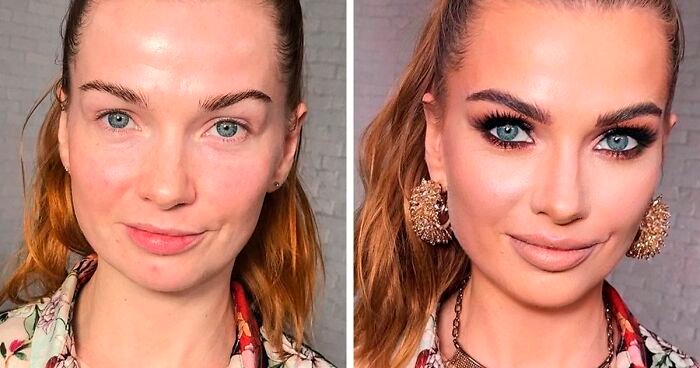
Brands are consistently utilising the latest technology and trends, and the emergence of TikTok is no exception. TikTok consistently uses filters to artificially alter someone’s appearance, and this is used in a lot of these ad campaigns. By showing unrealistic appearances, people get the idea that they should look like their favourite influencers naturally, evoking a feeling of low self esteem in them. This is highly unethical. Before and after posts showcase natural features like freckles and acne, painting them out to be something negative and avoided. This highlights one’s insecurities and makes them feel awful about it for the sake of profit. In a B2B context, this isn’t anywhere near as much of a problem as influencers only want to support products that benefit other businesses. In my opinion, this creates a much more positive environment in the B2B Influencer Marketing space.
What Does Beauty Exploitation Mean For The Next Generation?
With more influencers emerging and more brands deciding to go down this route daily, it unfortunately means that the next generation will be shown this content more than the last. There could be a turning point however. With laws getting stricter around the cyberspace in relation to the social media ban, less young people will be able to access these platforms and so will not be shown this harmful content. Perhaps in the coming years we could also see stricter laws around this topic considering the data that states the concern.
The Bottom Line
Remember, no matter what is shown to you in the media, everyone is unique in their own way. You are simply beautiful as you are, this content is designed to negatively affect your self esteem so do not let it. If you want to see more content like this and learn more about keeping yourself safe online, subscribe to this blog today. 🙂