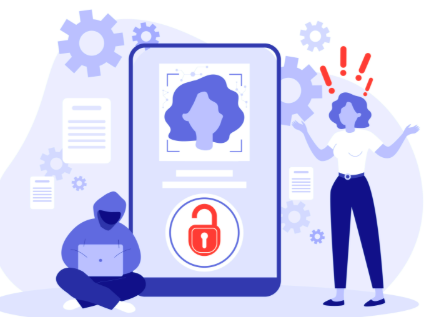
Image of phone being unlocked and woman in distress

Most of us use social media everyday without thinking about how much information we are giving out about our personal lives. Even posting a photo, sharing your location or using the same username on different websites can create a digital footprint and enable stalking and doxxing. While some of this information can seem harmless, it can sometimes be used to a stalkers’ advantage to find out more about you, which can quickly turn into a dangerous situation to be in.


A digital footprint is a trail of information someone leaves behind on the internet. This can include social media posts, comments, usernames or photos, even on old accounts that have been forgotten about or inactive for some time. Unfortunately, this information can stay online forever, even after someone thinks they have deleted it.

What is Doxxing and Stalking?

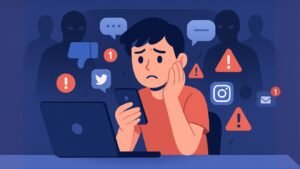
Illustration of a person appearing anxious as they look at their phone screen.

Doxxing is when someone’s private information is shared online without that person’s consent. This could include their home address, phone number, workplace or other personal details. Once any of this type of information is posted and made public, it can be difficult to control where it goes or who sees it. Therefore, doxxing can create serious safety concerns both online and offline as it escalates. Online stalking, or cyberstalking, can also be another risk. This involves continuously monitoring your accounts, what you post, or sending constant messages. This is so they can get into your personal life, and the information you leave from your digital footprint can make this easier. This could all happen to you so you need to be careful.

Some Advice and Ways to Avoid it.

There are some simple ways you can reduce these risks. For example, checking your privacy settings regularly and making sure the people that follow you and see what you post are people you know can be a key starting point. If you have any safety concerns it’s always best to talk to someone you trust, and if it starts to escalate to go to the proper authorities. Limiting access to private information can make stalking or doxxing harder, but unfortunately you will never be able to fully avoid it unless you completely go offline. 


In conclusion, our digital footprint has become a normal part of modern life, but it doesn’t mean we have to leave everything about ourselves online. Doxxing and online stalking should be taken as seriously as real life stalking. Being aware of what you post and who has access to it is one of the best ways to make our online lives safer.